What causes gingivitis, and why do healthy-looking gums become inflamed?
Gingivitis usually begins when plaque remains along the gumline long enough to trigger inflammation. Dry mouth, smoking, diabetes, hormonal changes, difficult-to-clean dental work and certain medications can increase susceptibility, but they do not replace plaque as the central, treatable cause.
The main cause: plaque at the gumline
Dental plaque is a sticky microbial film that continually forms on teeth. When it accumulates where teeth meet the gums, bacterial products and the body's immune response can make the tissue red, puffy, tender or prone to bleeding.
Plaque is soft enough to remove with careful brushing and interdental cleaning. If it mineralizes into tartar, also called calculus, it creates a rough plaque-retaining surface that usually requires removal by a dental professional.
- Common collection points include crowded teeth, the backs of lower front teeth, orthodontic appliances and the margins of crowns or fillings.
- Bleeding during brushing is often a sign of inflammation, not proof that brushing caused the underlying problem.
- A mouth can feel clean after rinsing while plaque remains attached at the gumline.
Why some people react more strongly
The same amount of plaque does not produce an identical response in everyone. Tobacco exposure, poorly controlled diabetes, immune changes, pregnancy-related hormonal shifts and reduced saliva can alter the gums' response or make plaque control harder.
Gingivitis, cavities and periodontitis are different
Gingivitis affects the gum tissue and does not, by definition, include the bone loss seen in periodontitis. Untreated inflammation can progress in susceptible people, but a dentist must evaluate pocket depth, attachment and X-rays when needed to determine whether deeper damage exists.
Cavities form when acids produced from fermentable carbohydrates repeatedly demineralize tooth structure. Plaque contributes to both conditions, but gingivitis remedies cannot repair a cavity, and cavity treatment does not automatically resolve gum inflammation.
- Gingivitis: inflamed gums without periodontal attachment loss.
- Periodontitis: deeper tissue and bone destruction around teeth.
- Tooth decay: mineral loss and structural damage to the tooth itself.
Recommended Products
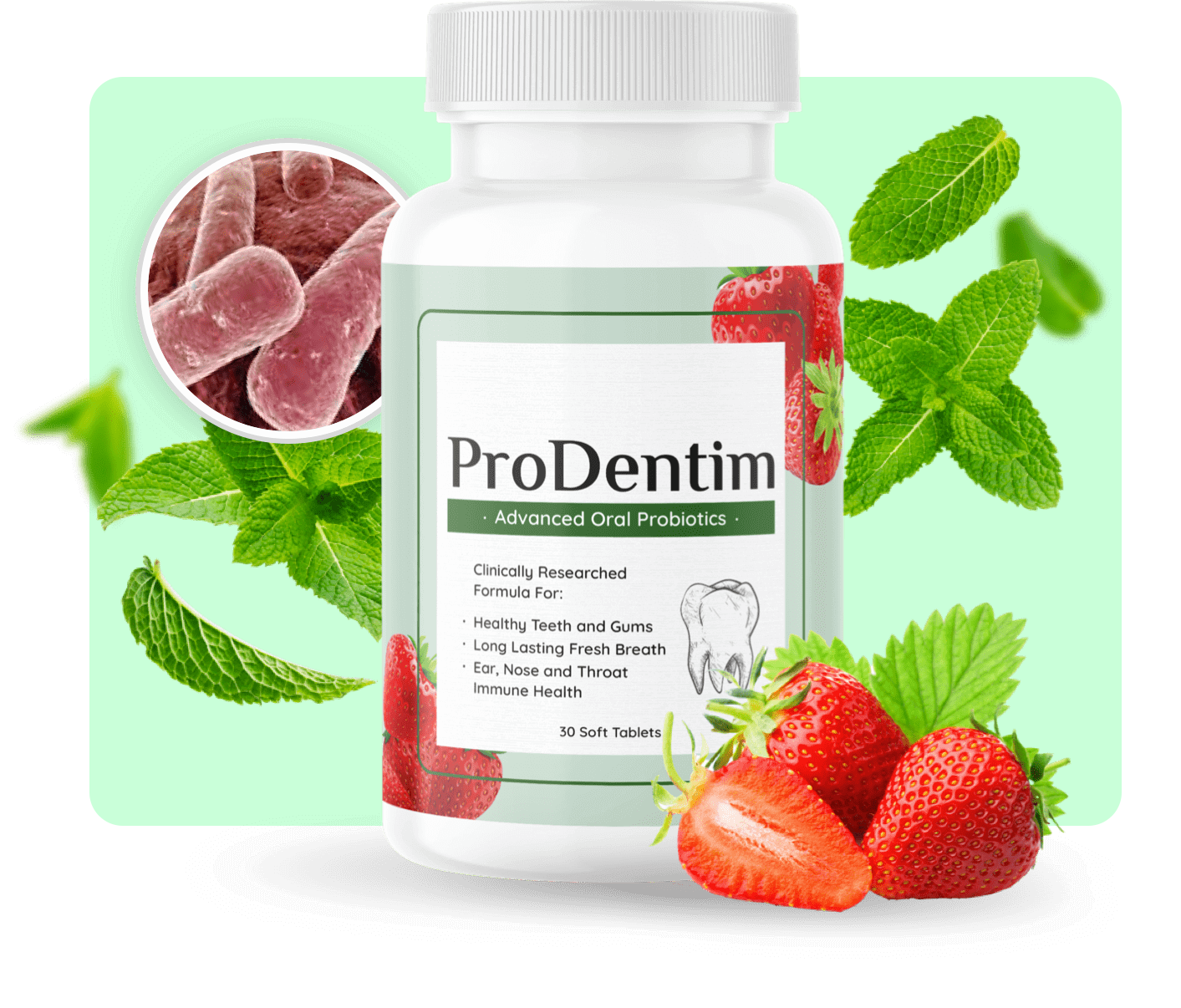
prodentim
The seller describes ProDentim as a probiotic-and-nutrient formula containing 3.5 billion microorganisms and names B. lactis BL-04 and Lactobacillus reuteri. The merchant also lists inulin and a plant-and-mineral blend that includes peppermint, but these statements do not demonstrate treatment of gingivitis.
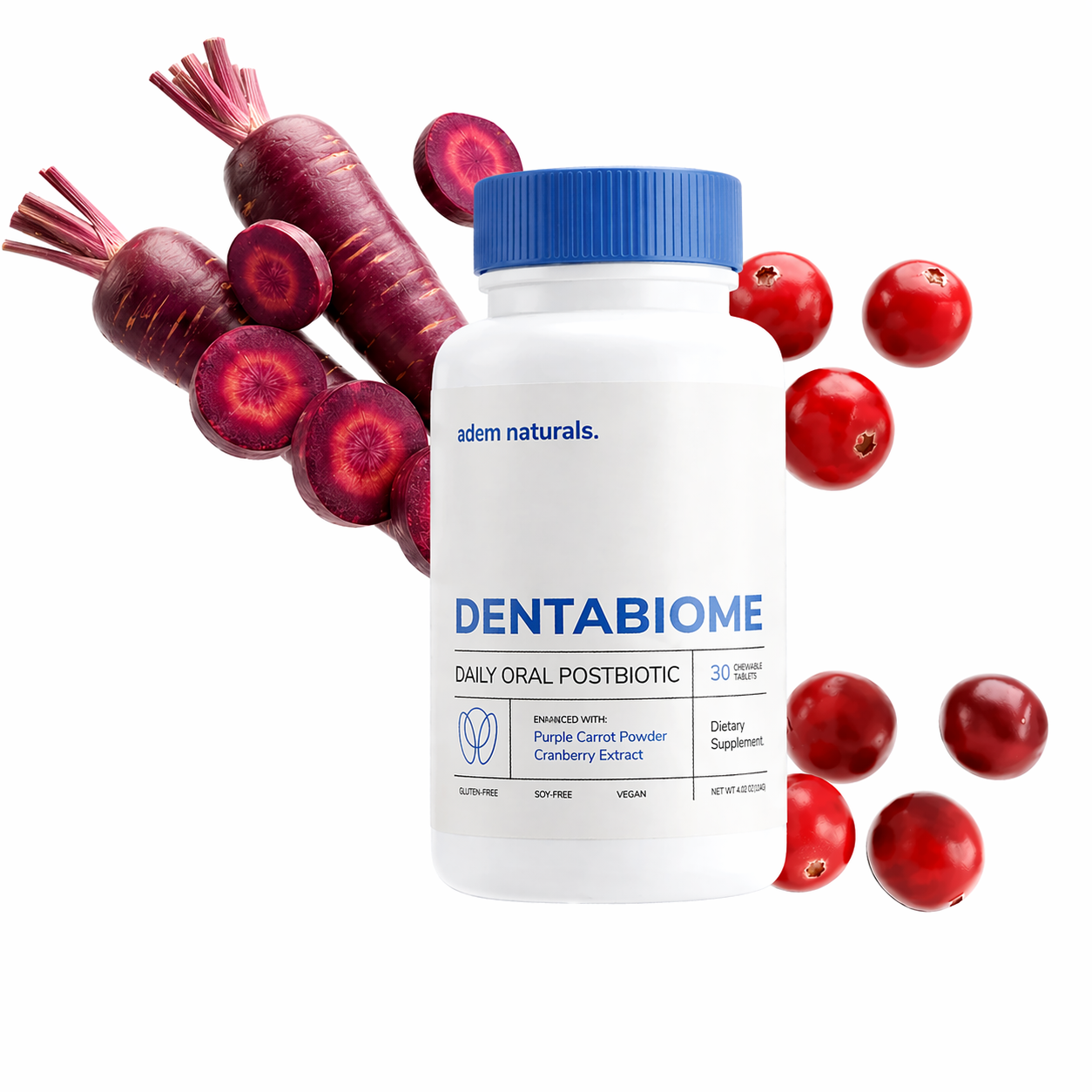
dentabiome
DentaBiome is marketed as a chewable oral postbiotic formula containing L. plantarum, L. salivarius and L. rhamnosus preparations. Its seller also lists xylitol, cranberry extract, purple carrot powder and BioFresh Clean Complex, giving shoppers several specific label elements to verify.
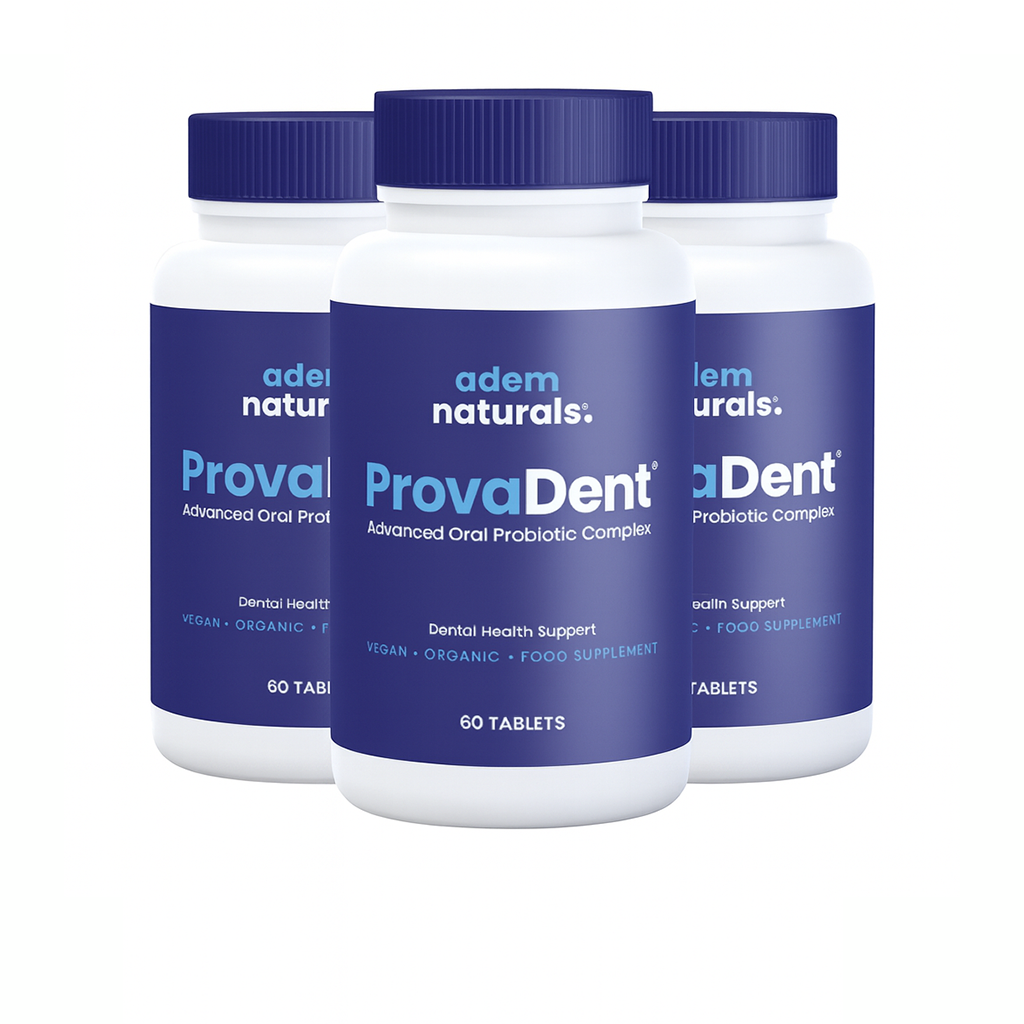
provadent
ProvaDent is described by its seller as a capsule containing organic xylitol, BioFresh Clean Complex, cranberry extract, purple carrot powder and four probiotic strains. The supplied merchant excerpt does not name those four strains, limiting strain-level comparison with more fully disclosed formulas.
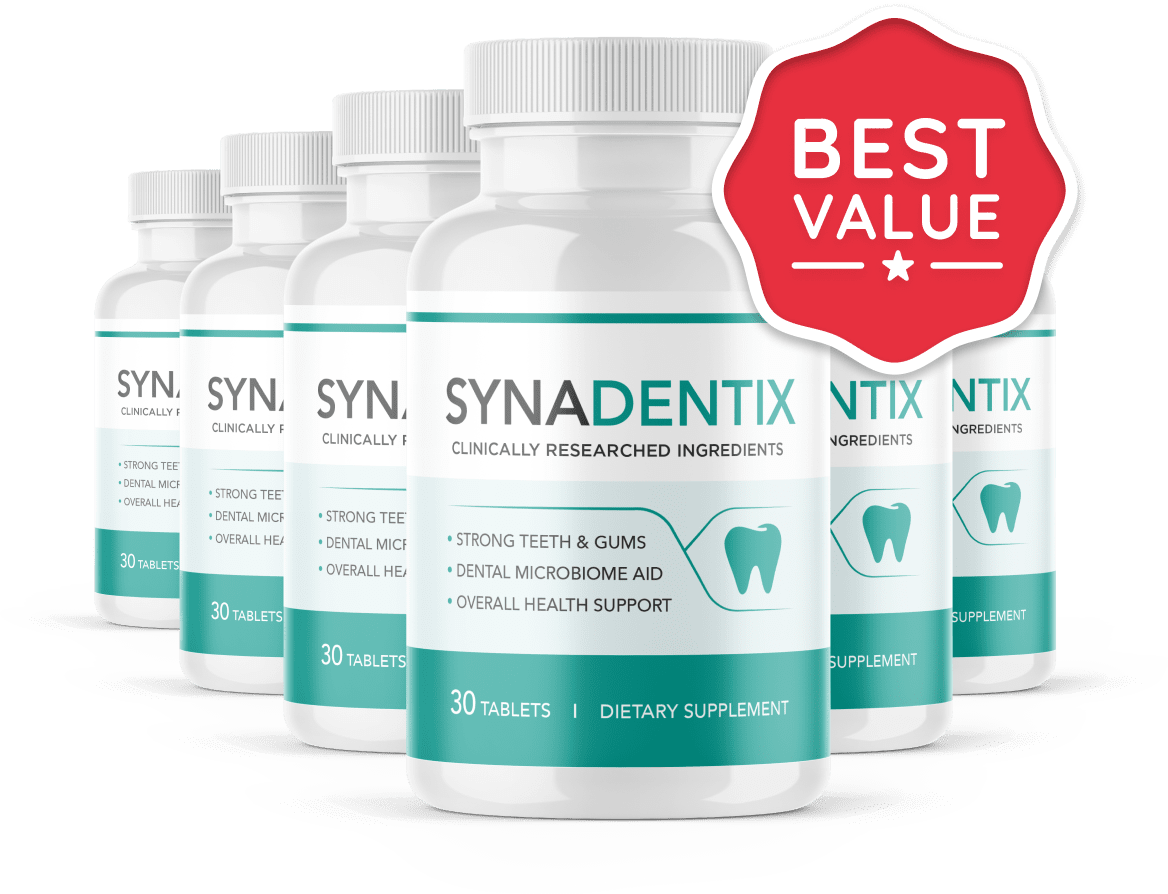
synadentix
Synadentix is sold as a chewable containing a microcrystalline hydroxyapatite complex, lactoferrin and marine enzymes. The seller directs users to chew it slowly or let it melt under the tongue at night, which distinguishes its administration from swallowed tablets and liquid drops.
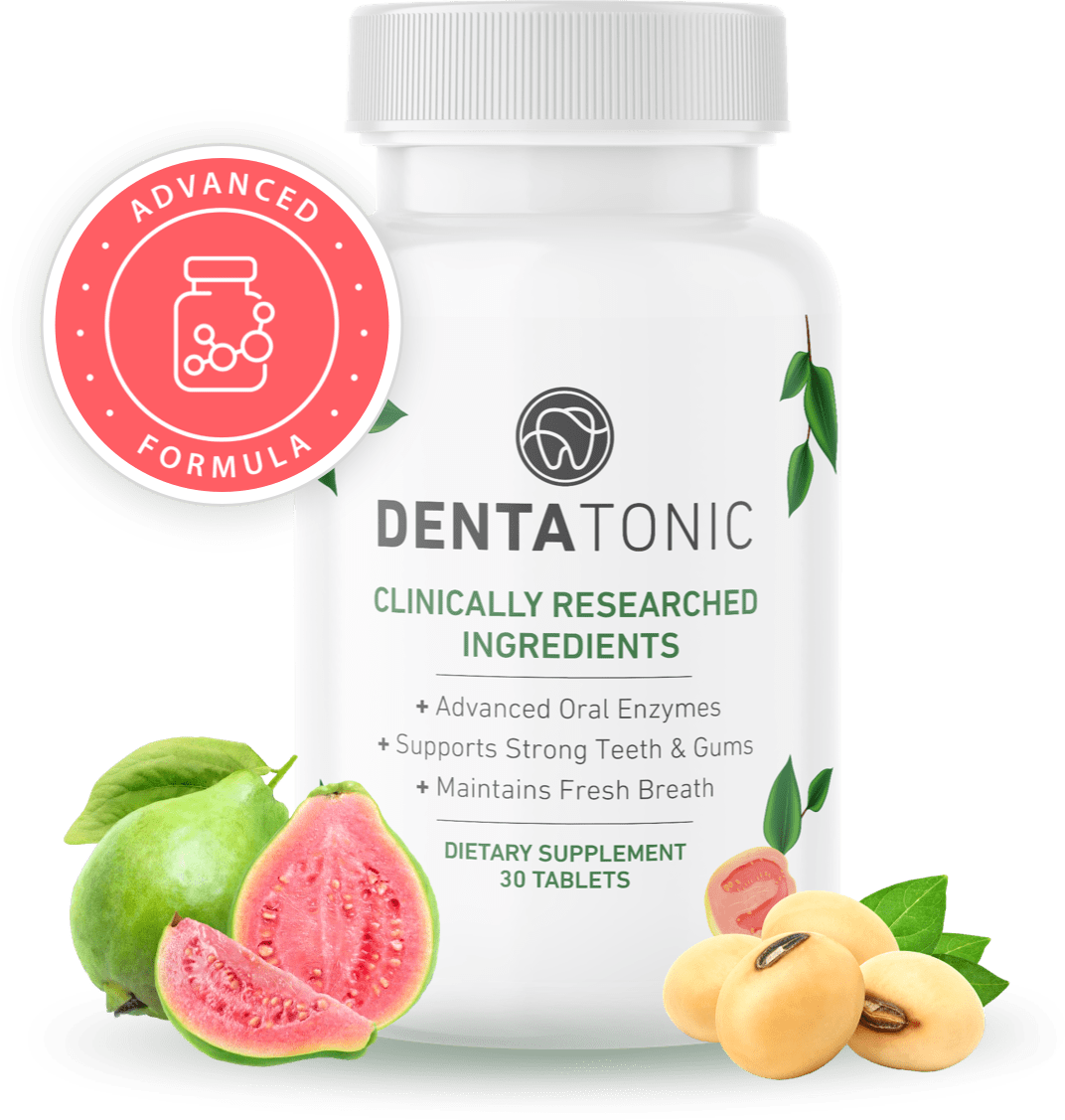
dentatonic
DentaTonic is presented as a once-daily tablet taken with water and built around a proprietary blend of enzymes and proteins. The seller specifically discusses support for salivary lactoperoxidase, although the proprietary description limits ingredient-by-ingredient assessment.
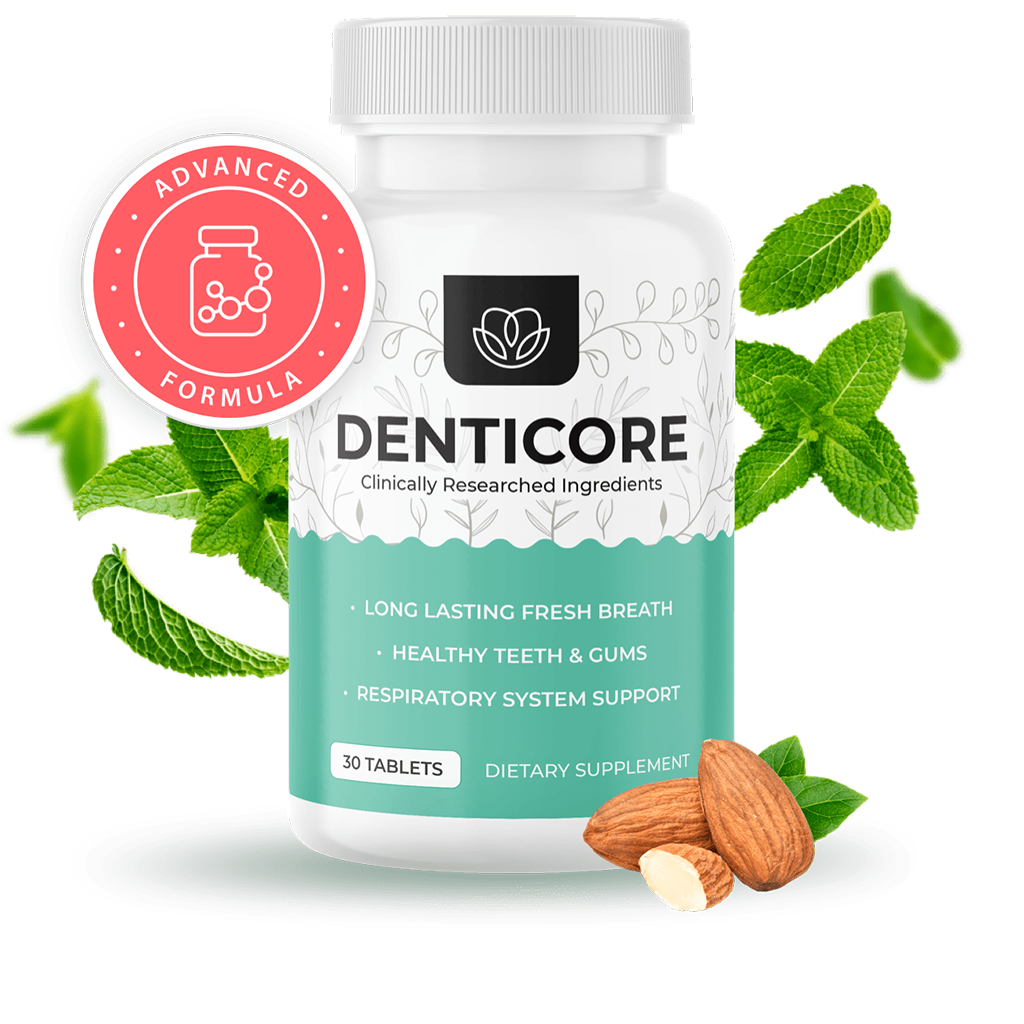
denticore
DentiCore is marketed as a soft chewable that can also be swallowed, with a plant-and-mineral formula that lists calcium and shilajit extract. The seller associates these ingredients with tooth strength and breath freshness, but the excerpt does not establish a gingivitis treatment effect.

dentitox pro
Dentitox Pro uses a liquid-drop format rather than a capsule or chewable. Its merchant lists licorice, elderberry, xylitol and vitamins A, C and D3, making vitamin and botanical exposure important considerations when checking the complete label.
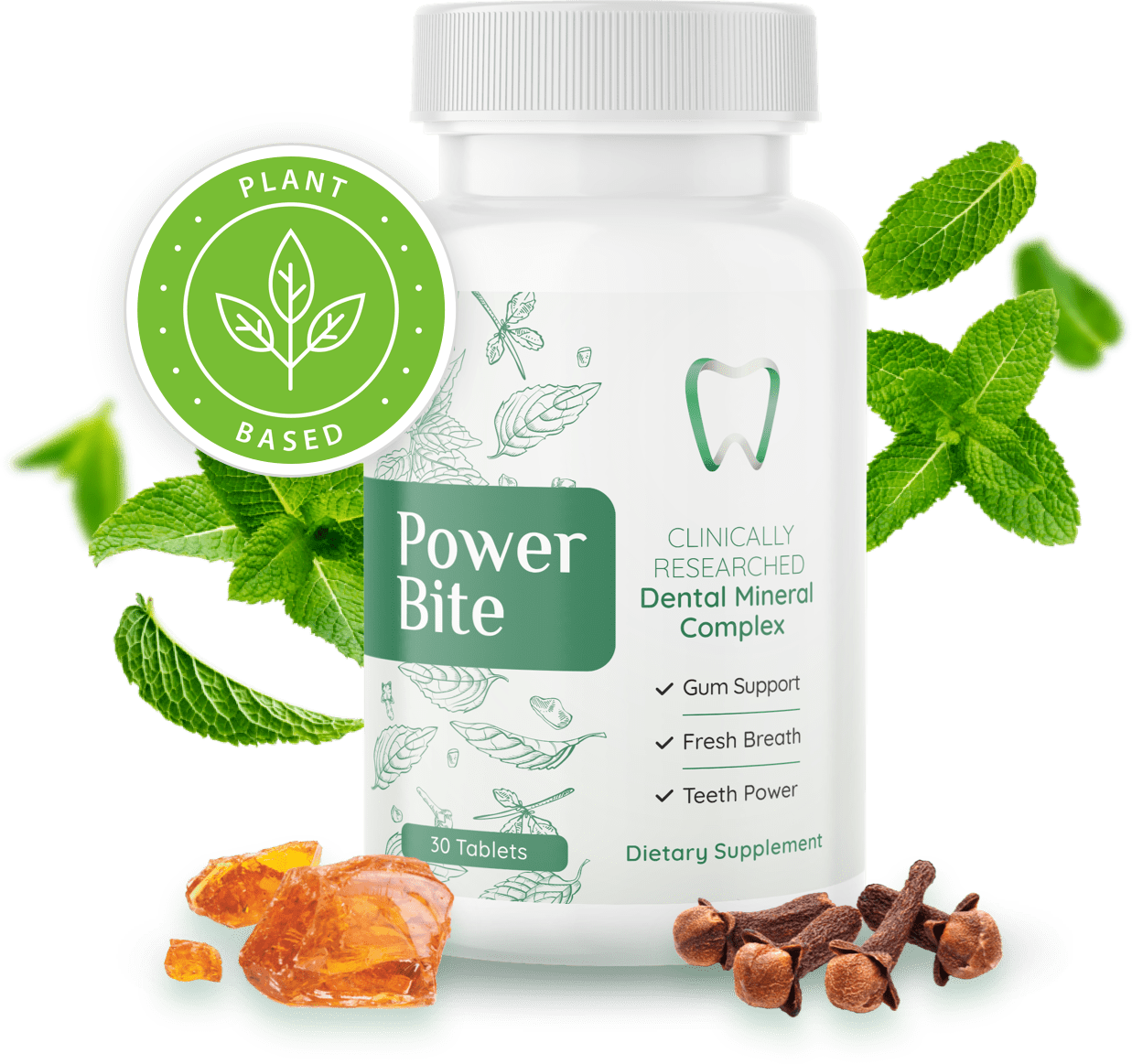
powerbite
PowerBite is presented as a candy-format oral product made with a proprietary blend of plants and minerals. The supplied seller material specifically identifies myrrh and wild mint, but it does not provide clinical evidence that the finished product treats gum inflammation or infection.
What swollen or bleeding gums may be telling you
Early gingivitis may cause little or no pain. Look for a persistent red or darkened gum margin, puffiness between teeth, blood on a toothbrush or floss, tenderness and recurrent unpleasant breath.
A single sore area can also result from food trapped between teeth, aggressive brushing, a poorly fitting appliance, an ulcer or a tooth infection. Location, duration and associated symptoms matter.
- Book a dental visit if bleeding or swelling continues despite one to two weeks of consistent, gentle cleaning.
- Arrange earlier care for receding gums, loose teeth, pus, a changing bite or pain when chewing.
- Seek urgent help for facial swelling, fever with dental symptoms, or difficulty swallowing or breathing.
A practical first response
Brush twice daily with fluoride toothpaste, angling a soft-bristled brush toward the gumline without scrubbing hard. Clean between teeth once daily with floss, an interdental brush or another device sized for the space.
Persistent tartar, deep deposits and periodontal pockets cannot be managed with home products alone. A dental examination and cleaning identify retention areas and determine whether gingivitis or periodontitis is present.
- Continue gentle cleaning when mild bleeding occurs; avoiding the area lets more plaque accumulate.
- Clean the tongue if odor is a concern and drink water regularly if your mouth feels dry.
- Do not use mints, mouthwash or supplements as substitutes for plaque removal.
Frequently Asked Questions
Plaque-induced gingivitis can often resolve when plaque and tartar are controlled and no deeper periodontal damage is present. Bone or attachment loss from periodontitis is not reversed simply by improving brushing.
Yes. Plaque, inflamed gum pockets and trapped debris can produce odor, but tongue coating and dry mouth are also common causes. Persistent bad breath deserves an oral examination rather than being assumed to come from gingivitis.
Usually no. Use a gentle technique and continue daily cleaning, because inflamed tissue commonly bleeds when plaque is disturbed. Heavy, unexplained or persistent bleeding should be evaluated.